Wine trends have a habit of announcing themselves loudly.
But the ones that truly matter tend to arrive more quietly; shaped by shifts in culture, taste and values rather than hashtags.
As we look towards 2026, three ideas are rising to the surface. Not fleeting fashions, but meaningful movements in how people choose, drink and value wine. Reassuringly, they’re ideas Digby has been championing all along.
1. Provenance with Personality
For years, place was enough. A region, a map, a romantic notion.
In 2026, drinkers want more.
Today’s wine lovers are looking for clear provenance paired with human stories. It’s no longer just about where a wine comes from, but who shaped it — and why their decisions matter. Transparency, credibility and character are replacing vague storytelling and borrowed romance.
This is where Digby feels entirely at home.
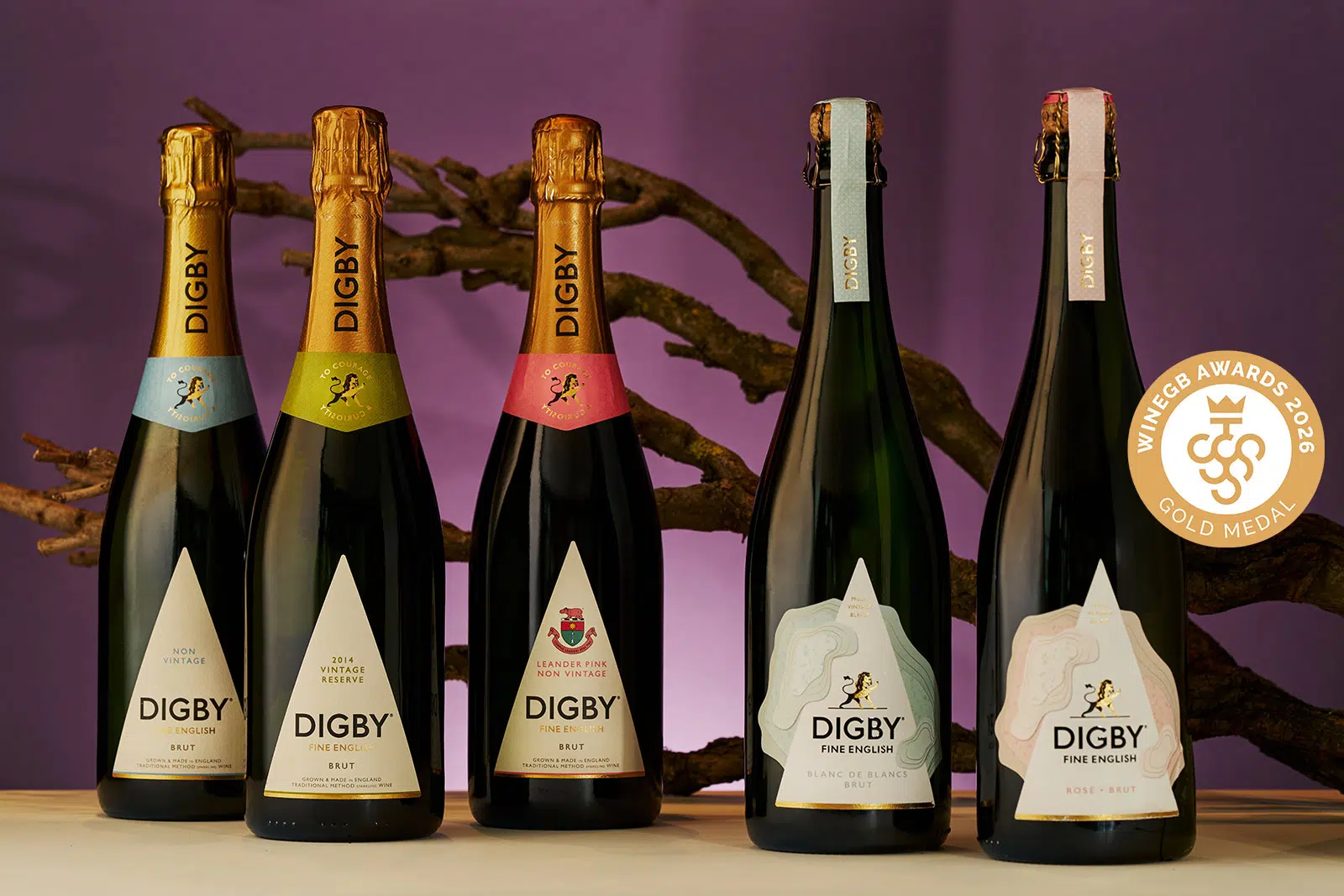
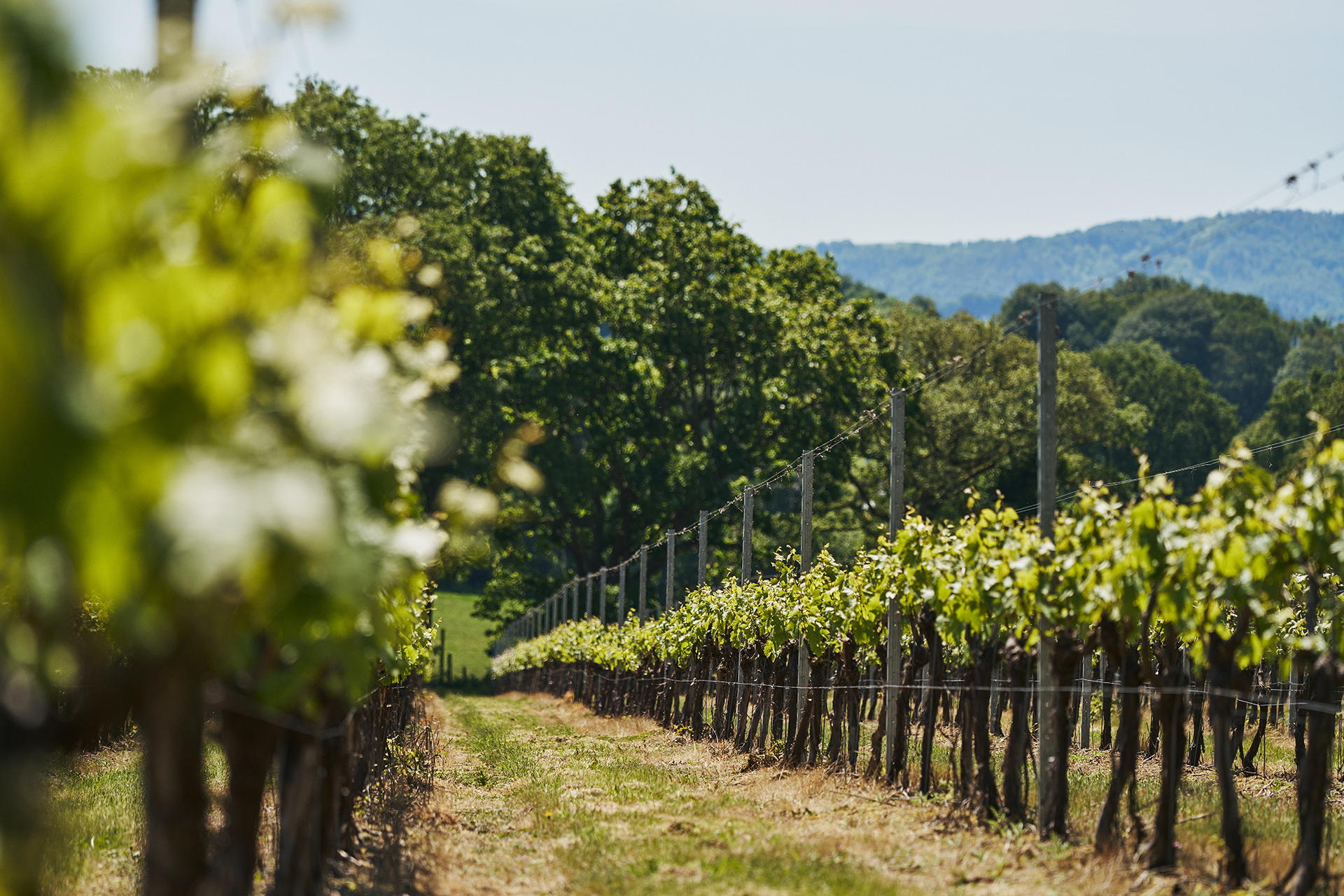
As England’s terroir-obsessed blending house, Digby has always taken a deliberate approach. Grapes are sourced from a carefully curated portfolio of both our own vineyards and long-term vineyard partners, spanning chalk, greensand and clay soils. Each site contributes something distinct, and blending is treated not as compromise, but as craft.
At the heart of it all is Trevor Clough Co-Founder, CEO and Head Blender a visible, vocal authority whose hand and palate define Digby’s house style. In an era hungry for authenticity, this clarity becomes a strength.
Digby isn’t simply from England.
It is engineered English excellence, by design.
2. Time as the Ultimate Luxury
As fast culture reaches saturation, patience is becoming a form of rebellion — and a marker of luxury.
In 2026, wine consumers are increasingly drawn to bottles that reward waiting. Long ageing, delayed gratification and wines released only when ready are no longer niche concerns; they’re signals of intent. The mood is shifting towards drinking less, but better — and with purpose.
Time has always been one of Digby’s quiet flexes.
Few English producers can credibly speak about extended lees ageing, library releases, or late-disgorged wines. Even fewer choose restraint over immediacy in a world eager for the next release.
Digby’s philosophy has never been hurried. Wines are allowed to build, integrate and find their balance naturally, released on their own terms rather than to meet a deadline. In 2026, this approach feels not just relevant, but reassuring.
These wines aren’t chasing trends.
They’re outlasting them.
3. Confident Englishness on the World Stage
English wine has grown up.
The question is no longer “Can England compete?” but “Which producers define the category?” In 2026, the most successful English wine brands will be those that embrace their identity fully — without apology or imitation.
Digby has always done just that.
From its historical namesake Sir Kenelm Digby, to the lion emblem, the Toast, and the thread of wit woven through the brand, Digby presents Englishness as something to be enjoyed, not explained. It is intelligent without being academic. Playful without gimmick. Luxurious without borrowing cues from elsewhere.
As global audiences increasingly value authenticity over mimicry, Digby stands apart as a house that doesn’t whisper its origins.
It raises a glass to them.